Urumqi computing center
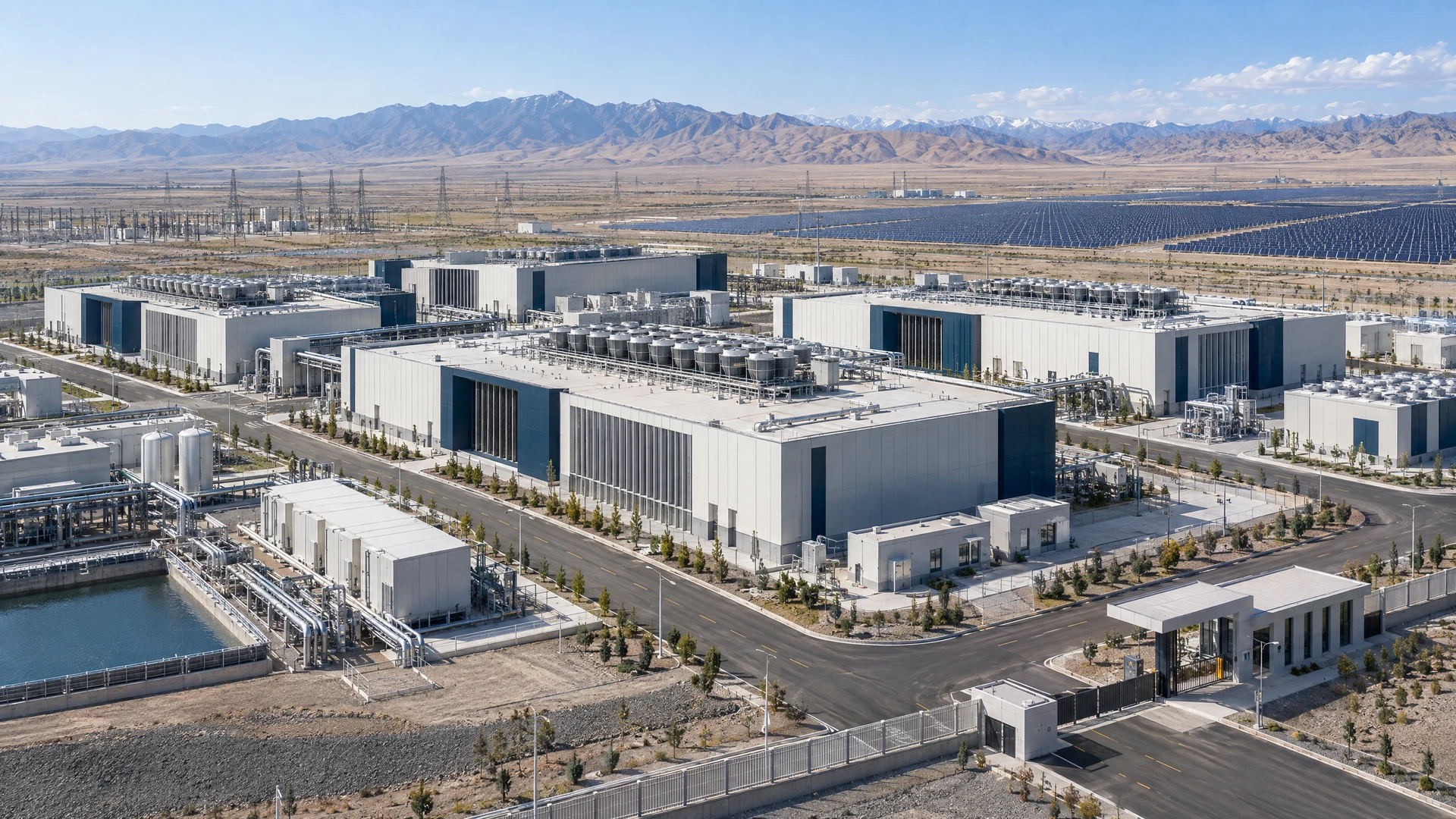
Developing computing infrastructure for regional digital services, coordinating power and network provision for business applications in Xinjiang and serving Central Asia.
GREEN COMPUTING
JINGNEXUS (XINJIANG) ENERGY TECHNOLOGY CO., LTD. is developing computing centers in Urumqi and Tacheng, with an AI computing center in Kazakhstan forming part of its future construction and development in Central Asia. The company coordinates computing infrastructure, energy supply and network provision around digital industry needs, bringing together resources and organizing investment to develop its green computing business in China and Central Asia.
01
The computing centers in Urumqi and Tacheng are being developed separately in line with local industry needs, power supply and network conditions. Urumqi focuses on regional digital services and the coordination of computing and power. Tacheng links computing development with the local green power base, border crossing and industrial park applications, aligning computing loads with energy supply and industry demand.
The AI computing center in Kazakhstan is a future construction project for the company's expansion into Central Asia, intended to serve local artificial intelligence and digital industries. JINGNEXUS brings together resources and coordinates cooperation for this development direction, organizing facility capacity, site selection and construction for each of the three locations according to its market, energy and communications conditions.
02
The company is building its Xinjiang computing business around the development of computing centers in Urumqi and Tacheng, while incorporating the future construction of an AI computing center in Kazakhstan into its Central Asia business. Each location draws on local markets, energy and communications resources to organize computing capacity, data storage and network provision for industrial applications.
Developing computing infrastructure for regional digital services, coordinating power and network provision for business applications in Xinjiang and serving Central Asia.
Developing computing infrastructure around the Tacheng green power base and border crossing and industrial park needs, integrating computing and power and allocating resources for logistics information processing and industrial digital applications.
A future construction and development component for local artificial intelligence and digital industries, with work focused on resource integration, cooperation and the arrangement of facilities.
03
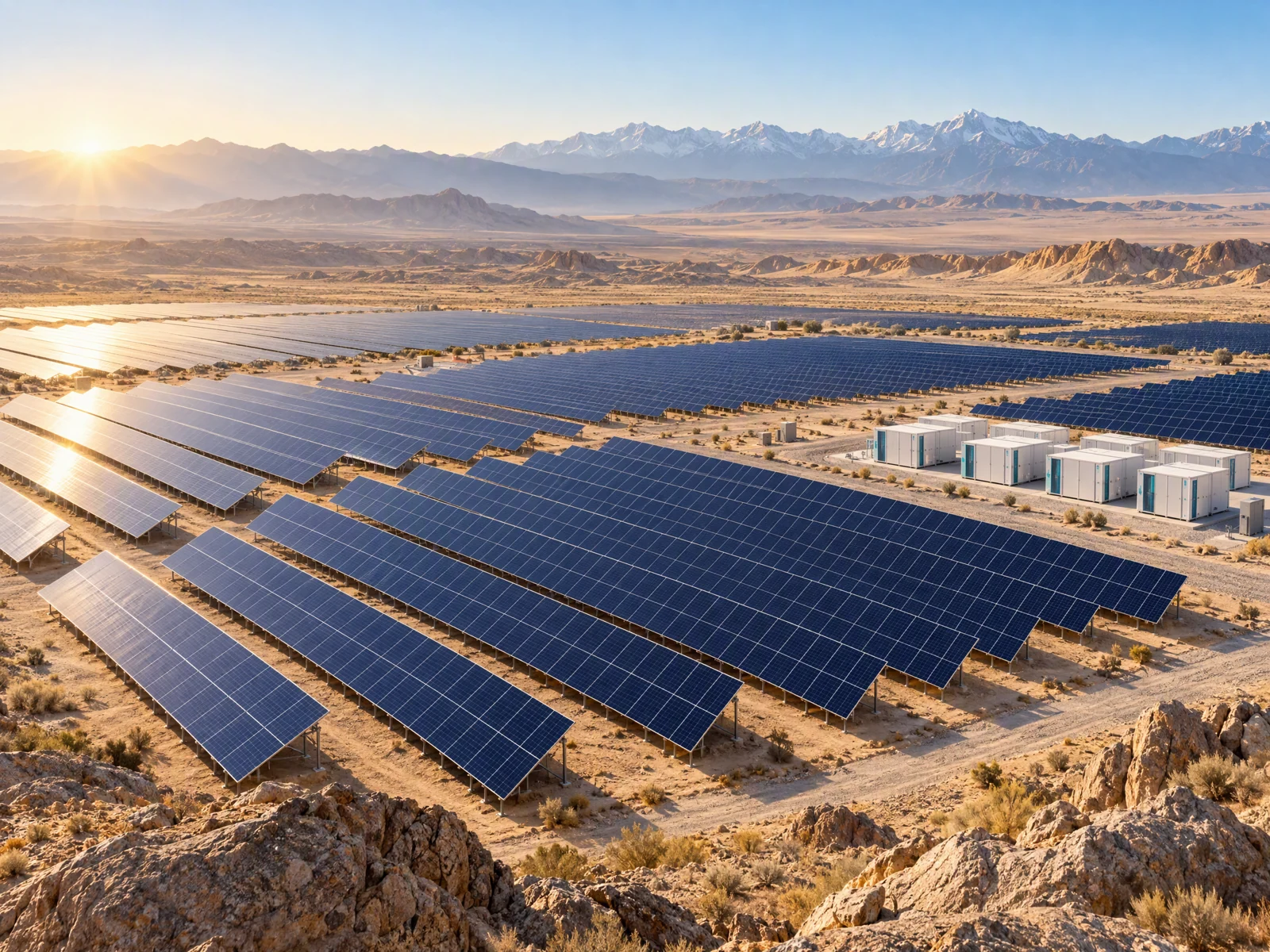
JINGNEXUS is advancing construction of the Tacheng green power base, integrating renewable generation, energy storage, grid connection and industrial energy use into its overall design. Power provision for computing infrastructure matches green power supply and energy storage to electricity demand over time and continuous supply requirements, taking account of grid connection conditions. The company carries out green power traceability work according to the data and verification conditions of each project.
The company coordinates supply and demand between the Tacheng green power base and the Tacheng computing center, organizing the development of energy facilities and computing loads as separate but aligned components. Resources for the Urumqi computing center are configured according to local power, network and construction conditions. The Shuanghe energy business is a geographically separate part of the company's green power system, developed according to local resources and organized separately from the Tacheng projects. Power supply arrangements and electricity trading models for each project are determined by its connection conditions and applicable rules.
04
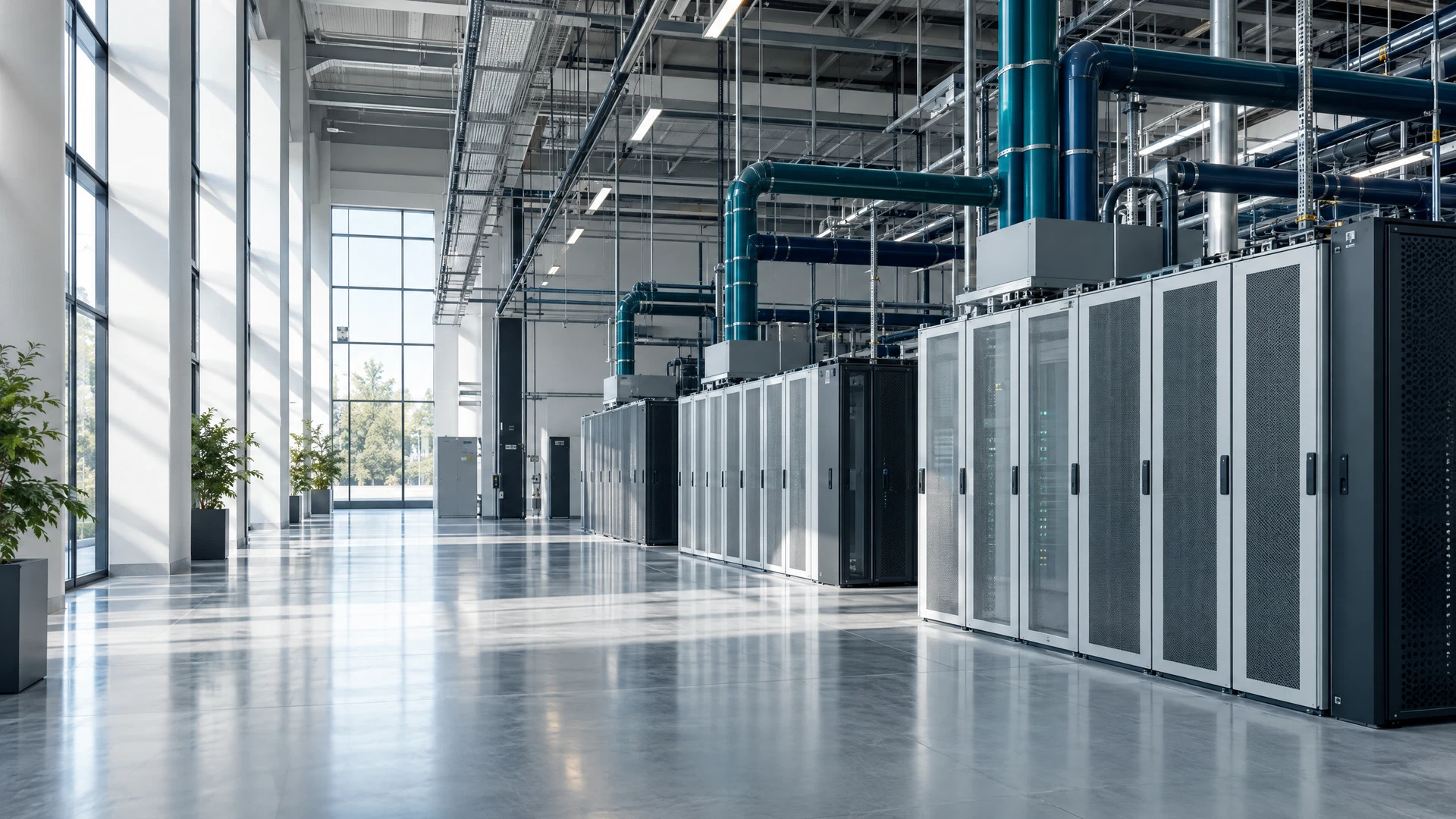
Computing infrastructure development starts with the computing, data storage and network capabilities required by applications, coordinating equipment configuration, power supply and distribution, cooling, operations, maintenance and security management. The company organizes site selection and construction in line with power connections, communications resources and construction conditions, incorporating changes in demand and future expansion requirements into facility design and resource allocation.
Network integration defines connection scope, system interfaces and data processing boundaries according to users and business scenarios. JINGNEXUS organizes technical collaboration and system integration with equipment, communications and application partners, linking infrastructure development with digital application development to support the allocation of responsibilities, investment assessment and project implementation.
05
The company develops computing infrastructure and digital applications for China and Central Asia around cloud computing, artificial intelligence and logistics information processing. Application development for digital border gateways and industrial parks starts with business needs such as transport scheduling, terminal operations and warehouse management. It defines workflows, data sources and users, then configures computing resources, system interfaces and service models accordingly.
Cooperation begins with discussions of requirements, followed by defining the application scope, resource conditions and technical solution, assigning responsibilities and coordinating investment and implementation. For cooperation involving cross-border data, the company defines data categories, processing purposes, transmission routes and authorization requirements under the applicable rules of the countries concerned, using these to determine the scope of services. Commercial cooperation does not replace data compliance review or the necessary authorizations.