SUSTAINABILITY
Green energy and infrastructure safetyIntegrated into cross-border industrial collaboration
JINGNEXUS builds its business around green infrastructure and cross-border industrial collaboration between China and Kazakhstan, integrating green energy use, resource efficiency, infrastructure safety and long-term cooperation into project development. The company coordinates energy supply with the infrastructure needs of computing, logistics and industrial parks, organizing supply-demand connections, operating workflows and information records so that infrastructure development supports regional industries.
01
Green power supply and energy efficiency
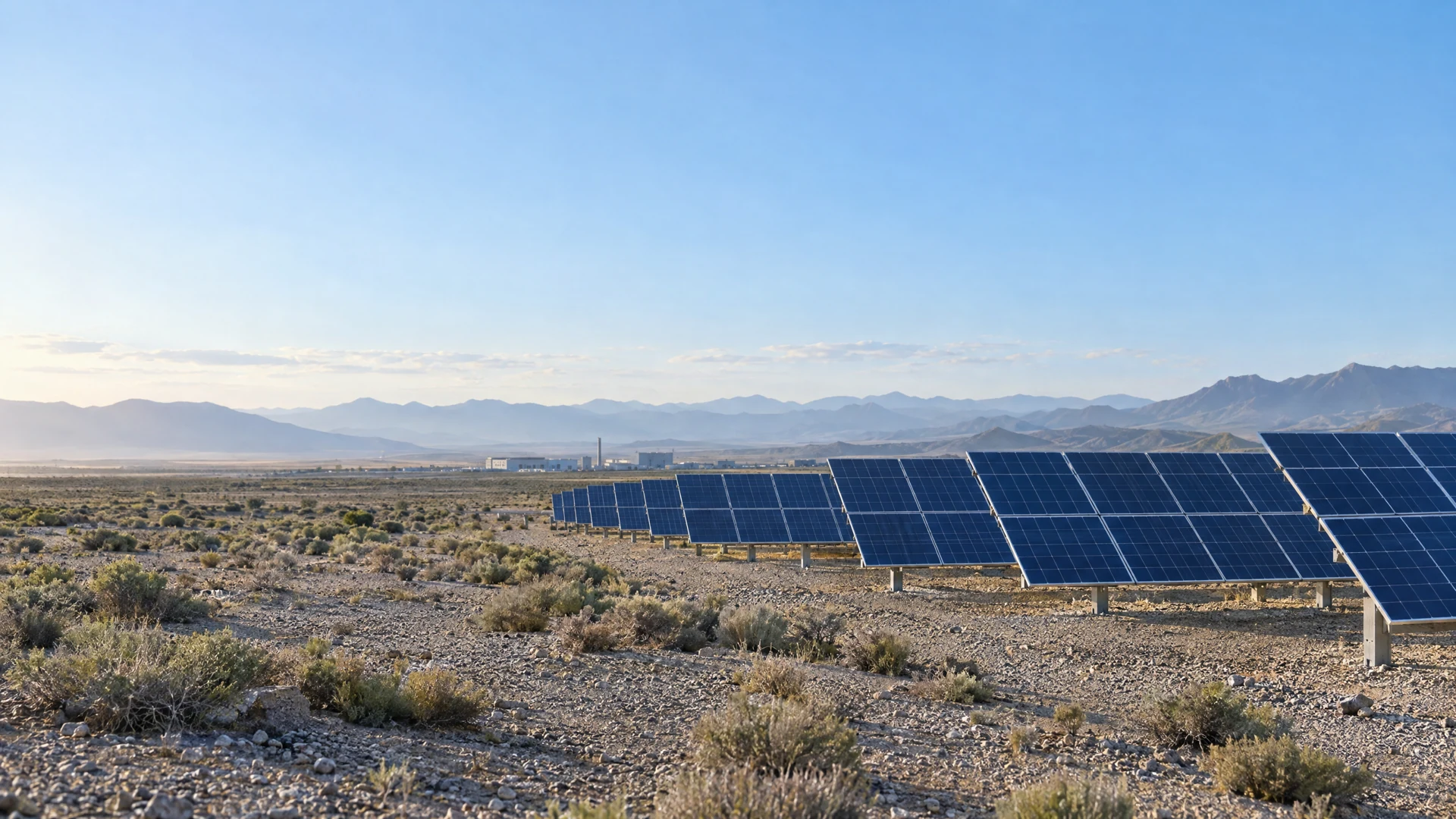
JINGNEXUS advances construction of the Tacheng green power base, coordinating renewable energy supply, energy storage, grid conditions and industrial loads. Energy business in Shuanghe progresses separately in line with local conditions, with resources allocated independently for Shuanghe and Tacheng projects. The company is building computing centers in Urumqi and Tacheng, connecting green power with the energy needs of computing facilities and the paired industrial parks in China and Kazakhstan. An AI computing center in Kazakhstan is a future construction and development component of the company's green computing network as it extends into Central Asia.
Energy efficiency work begins with infrastructure configuration and energy use practices, coordinating energy supply and demand with equipment operation. During design and construction, the company addresses energy systems and end-use loads together, defining supply and demand conditions for each region and project rather than simply combining resources from different locations. Engineering estimates are managed separately from actual energy use records, and energy efficiency during facility operation is assessed against the relevant records.
02
Verifiable energy and carbon disclosures
During project development, the company establishes data management methods for energy use and carbon information, defining the entities covered, scope, reporting period and calculation methods. Information is recorded and compiled separately for each project. Disclosures clearly distinguish engineering estimates from actual records, using verifiable data to explain energy use and carbon information rather than substituting broad claims such as 'zero carbon' or 'one hundred percent green power' for supporting data.
Energy, carbon, training and regional cooperation information is organized for updates by project, scope and reporting period. The company links record compilation, data verification and disclosure, providing information once the records are available and can be verified and made public. This enables partners to understand the data sources, calculation basis and limits of applicability.
03
Infrastructure safety and information protection
Energy, computing and logistics facilities have distinct equipment and site operating requirements. During facility design and system integration, the company identifies safety requirements for equipment operation, cargo handling and transfer, vehicle movements and system access. These requirements are incorporated into infrastructure configuration and the design of business interfaces, aligning construction organization with operating workflows.
Information sharing between digital border gateway and computing facilities follows the applicable rules and authorized scope. The company defines requirements for data use, system access and information protection, distinguishing permissions for business collaboration, equipment control and sensitive information processing. Responsibilities are assigned at the corresponding facility and information service interfaces.

04
Smart logistics and terminal infrastructure
JINGNEXUS is developing a cross-border AGV logistics system linking Baketu on the Chinese side and Bakhty on the Kazakh side, coordinating the design of vehicle deployment, terminal space, charging infrastructure and operating arrangements. The company uses standardized containers as the core unit for transport and handover, connecting container yards, cargo handling and transfer, warehousing and industrial park interfaces while coordinating container flows and terminal operations on both sides.
Rail-terminal shuttle movements and cross-border road transport are organized as distinct business activities, with interfaces, safety requirements and applicable permitting conditions addressed separately. The company develops AGV dispatch connections between arrival, departure and transfer terminals, warehouses and industrial parks. Cross-border operations follow the customs rules of China and Kazakhstan separately. Transport efficiency and energy use are verified against actual operating records.
05
Regional collaboration and professional exchange
JINGNEXUS connects resources to meet energy, equipment, logistics and supporting infrastructure needs in Xinjiang and Central Asia, organizing supply-chain and professional service cooperation for the paired industrial parks in China and Kazakhstan. The company defines participation requirements and the division of responsibilities for each project, connecting regional resources with the parks' industrial needs and developing long-term cooperative relationships.
Technical exchange and talent cooperation focus on infrastructure construction, equipment applications and business operations. The company organizes training and collaboration content around the needs of professional roles, aligning this work with specific projects and participants and documenting progress through the corresponding work records.