Container flow coordination
Coordinate consolidation, arrivals, departures and handovers with container availability, cargo sources and transport schedules.
AGV & Gateway Hub
JINGNEXUS is building land gateway infrastructure around Baketu on the Chinese side and Bakhty on the Kazakh side, using standardized containers as the core unit for transport and handover. The company develops cross-border AGV transfers and connects logistics and industrial services across parks in both countries. The State Revenue Committee of the Ministry of Finance of the Republic of Kazakhstan is fully committed to advancing the cross-border AGV corridor project, which is supported by customs authorities in China and Kazakhstan. It is an innovative flagship project for China–Kazakhstan cross-border logistics coordination.
01
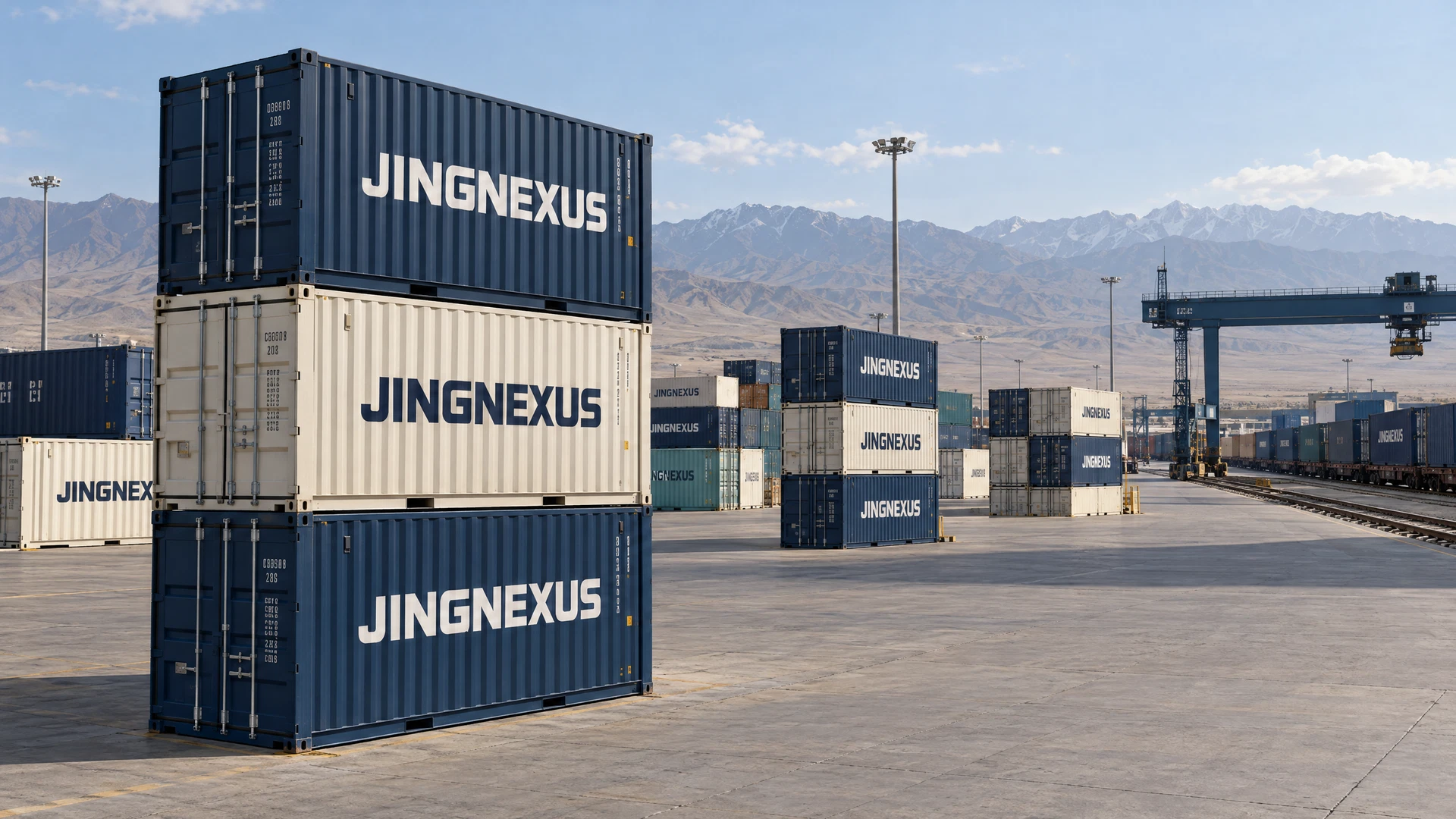
SILKROAD AGV GATEWAY HUB (XINJIANG) CO., LTD. is developing a smart gateway hub for coordinated cross-border logistics at the China–Kazakhstan border, with standardized containers at its core. The hub connects container handover, loading, unloading and transshipment, AGV transfers, and supporting warehousing, linking land terminals with industrial park logistics. Containers bearing the JINGNEXUS wordmark in the illustrations show how standardized container flows connect with terminal infrastructure.
JINGNEXUS (XINJIANG) ENERGY TECHNOLOGY CO., LTD. coordinates projects, integrates resources and organizes investment, bringing together cargo sources, equipment, logistics terminals and industrial park partners. The company coordinates operational interfaces for hub development, organizes engineering and supporting resources, and advances the connections between logistics infrastructure and industrial services on both sides of the China–Kazakhstan border.
02
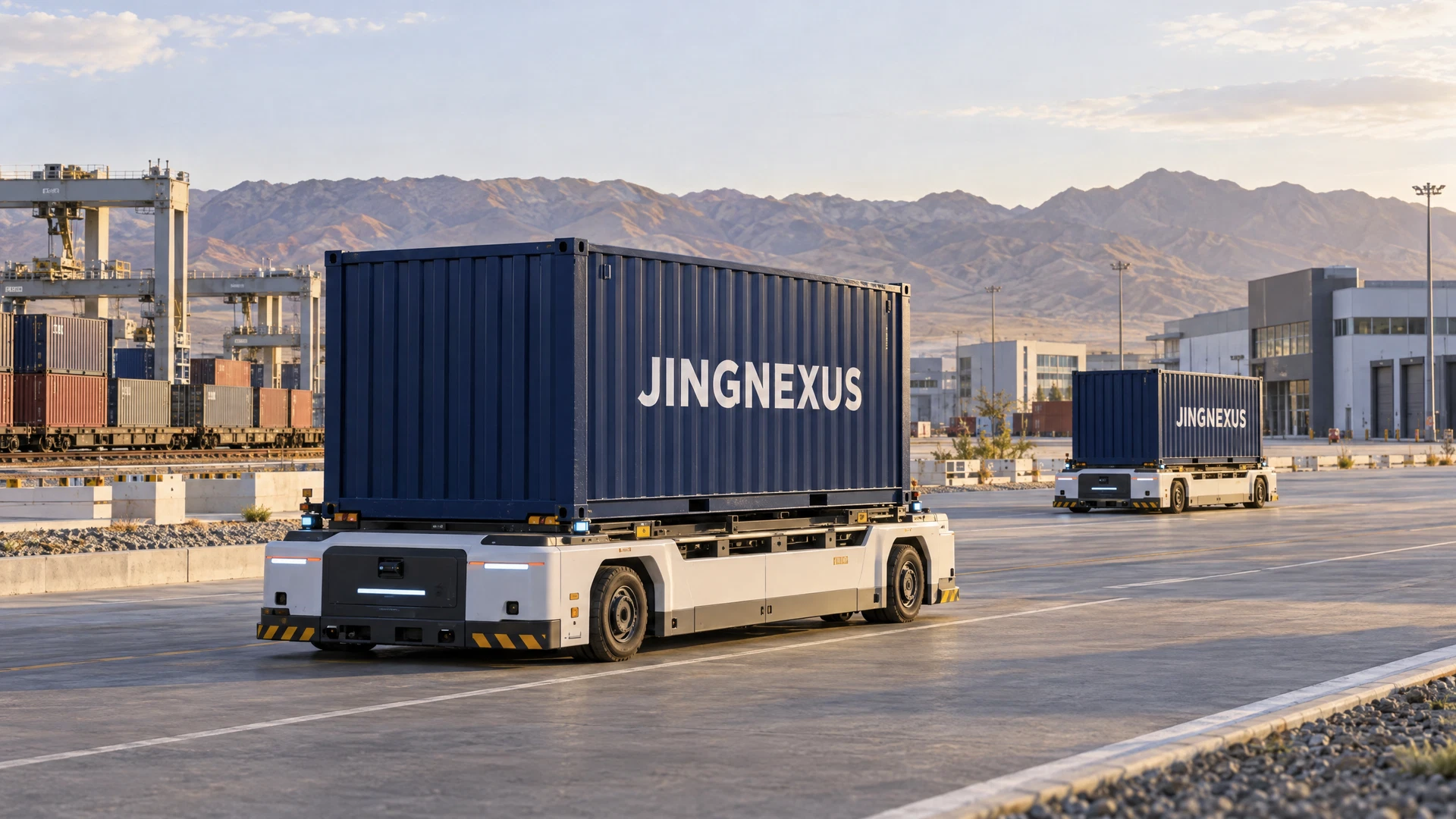
The company applies port methods for organizing container flows and managing operational resources to land gateway development, using standardized containers to connect yards, handling equipment and AGVs. The terminal operations framework coordinates yard management, loading, unloading and transshipment, AGV dispatch and warehousing around cargo sources, container availability and transport schedules. Containers and equipment are allocated according to cargo characteristics and terminal conditions.
Infrastructure is configured to match cargo arrival and departure schedules, handling conditions and warehousing needs. Information systems coordinate container data, operational tasks and handover status to support terminal dispatch and industrial park services. Cross-border AGV movements and commercial operations on either side comply with the respective customs rules of China and Kazakhstan. Commercial coordination does not merge the two countries' regulatory powers, and digital interfaces are connected within authorized limits.
Coordinate consolidation, arrivals, departures and handovers with container availability, cargo sources and transport schedules.
Coordinate loading, unloading, transshipment, AGV transfers and warehousing interfaces according to yard and equipment conditions.
Connect container flows, tasks and handover status to support terminal dispatch and industrial park services.
03
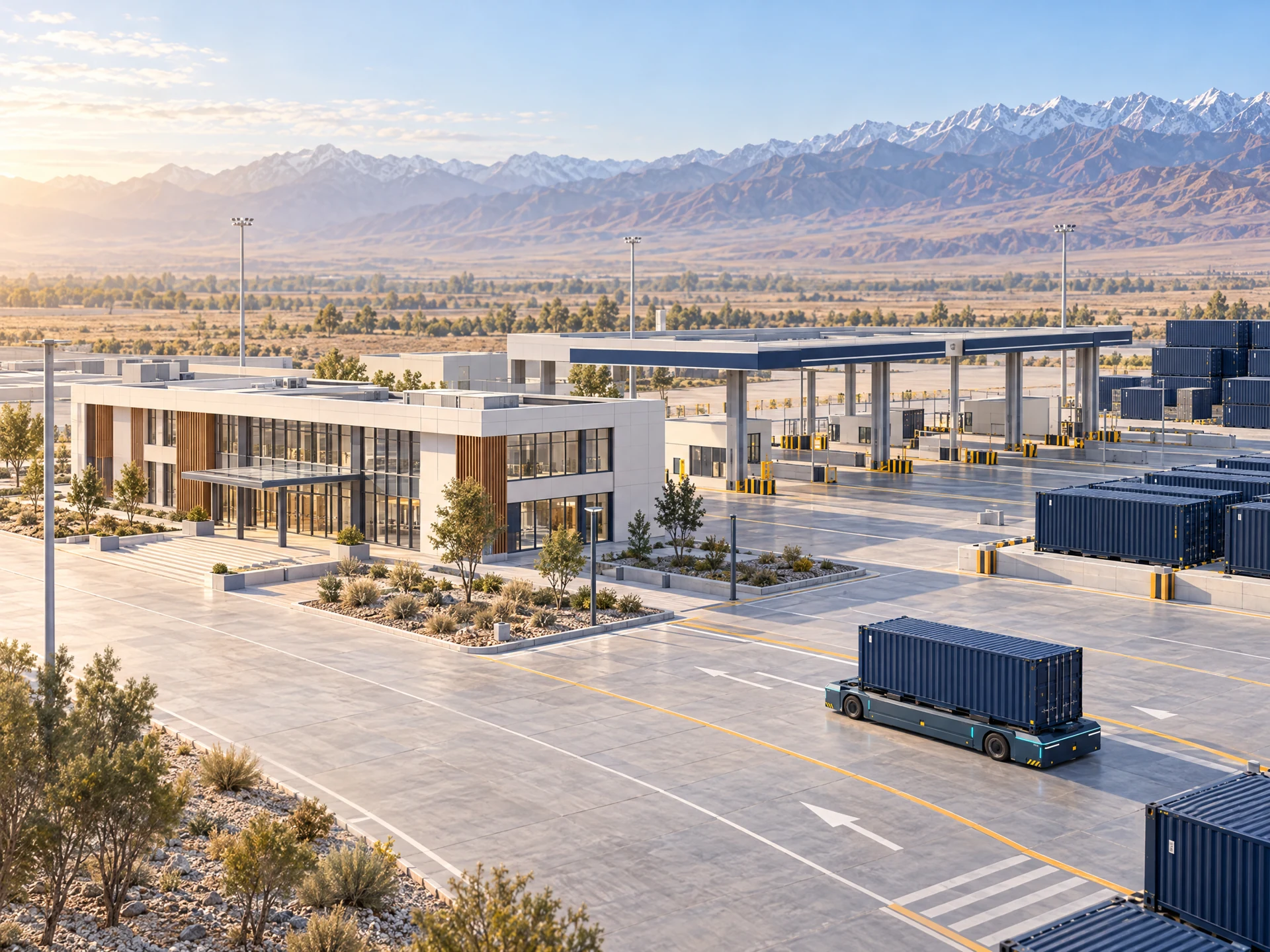
The company is building a field coordination and operations center at the Baketu border crossing to coordinate company projects, on-site work and business liaison. The center brings together standardized container flows, logistics terminals, AGVs and industrial park infrastructure for hub development and operational preparation, aligning on-site requirements with infrastructure construction.
The center connects research and development, regional operations and partner resources, incorporating on-site requirements into technology development and engineering coordination. It coordinates operational interfaces between equipment, terminals and industrial parks. Its responsibilities are limited to company project organization; it does not exercise border-crossing regulatory, customs or administrative approval powers.
04
Official Tacheng materials identify the third China–Kazakhstan cross-border railway as an opportunity for international logistics cooperation and call for connections between railways, border crossings and industrial parks. A report published on the official website of the Prime Minister of Kazakhstan on November 3, 2026 states the intention to bring the Bakhty–Ayagoz railway into service by the end of 2027. This is a public railway construction timetable, not confirmation that the railway is already open, and it does not confer public railway construction or operating status on the company.
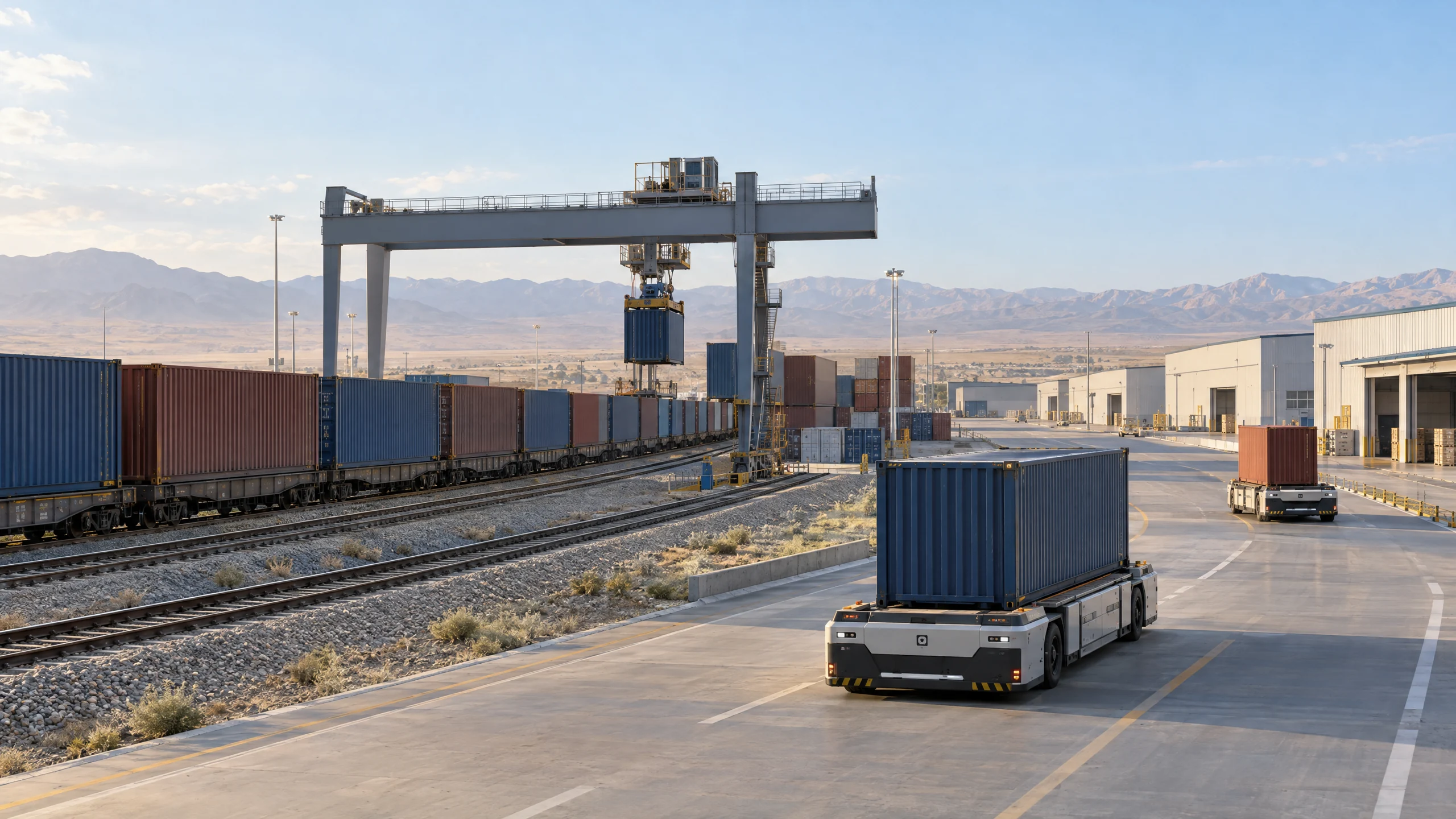
Alongside construction of the third China–Kazakhstan cross-border railway, the company develops AGV short-haul terminal transfers, container handover and transshipment services linked to rail arrivals and departures, connecting them with warehousing and industrial park logistics. Rail provides trunk-line transport, while AGV transfers connect terminals and surrounding operations. Each uses infrastructure and interfaces suited to its transport tasks.
Development at Baketu on the Chinese side focuses on cargo sourcing, consolidation warehousing and terminal infrastructure. Bakhty on the Kazakh side connects arrival operations, distribution and local industrial park demand. The hub business links trunk rail services, arrival and departure transshipment terminals, AGV transfers, warehousing parks and regional distribution; this business chain is not an already operating route. Cross-border road transport and short-haul rail terminal transfers are organized separately, with their own operational interfaces, safety requirements and permits.
05
The company advances the development of paired industrial parks in China and Kazakhstan, connecting parks on both sides with hub logistics infrastructure. Warehousing and distribution support standardized container flows, while processing facilities connect with industrial logistics. Industrial tenant recruitment is supported by transport capacity, infrastructure development and energy supply conditions. In line with local conditions, the company coordinates supporting connections between green power, green computing and logistics infrastructure, defining cargo types, service scope and local requirements.
AGV connects logistics terminals, border crossings and industrial parks, developing in coordination with the company's four business areas: green energy, green computing, cross-border industrial parks and digital border gateways. The company organizes cooperation around cargo sources, terminal space, equipment interfaces, energy replenishment and digital service needs, coordinating participants' roles and implementation conditions. All images on this page are illustrations, not photographs of actual projects.
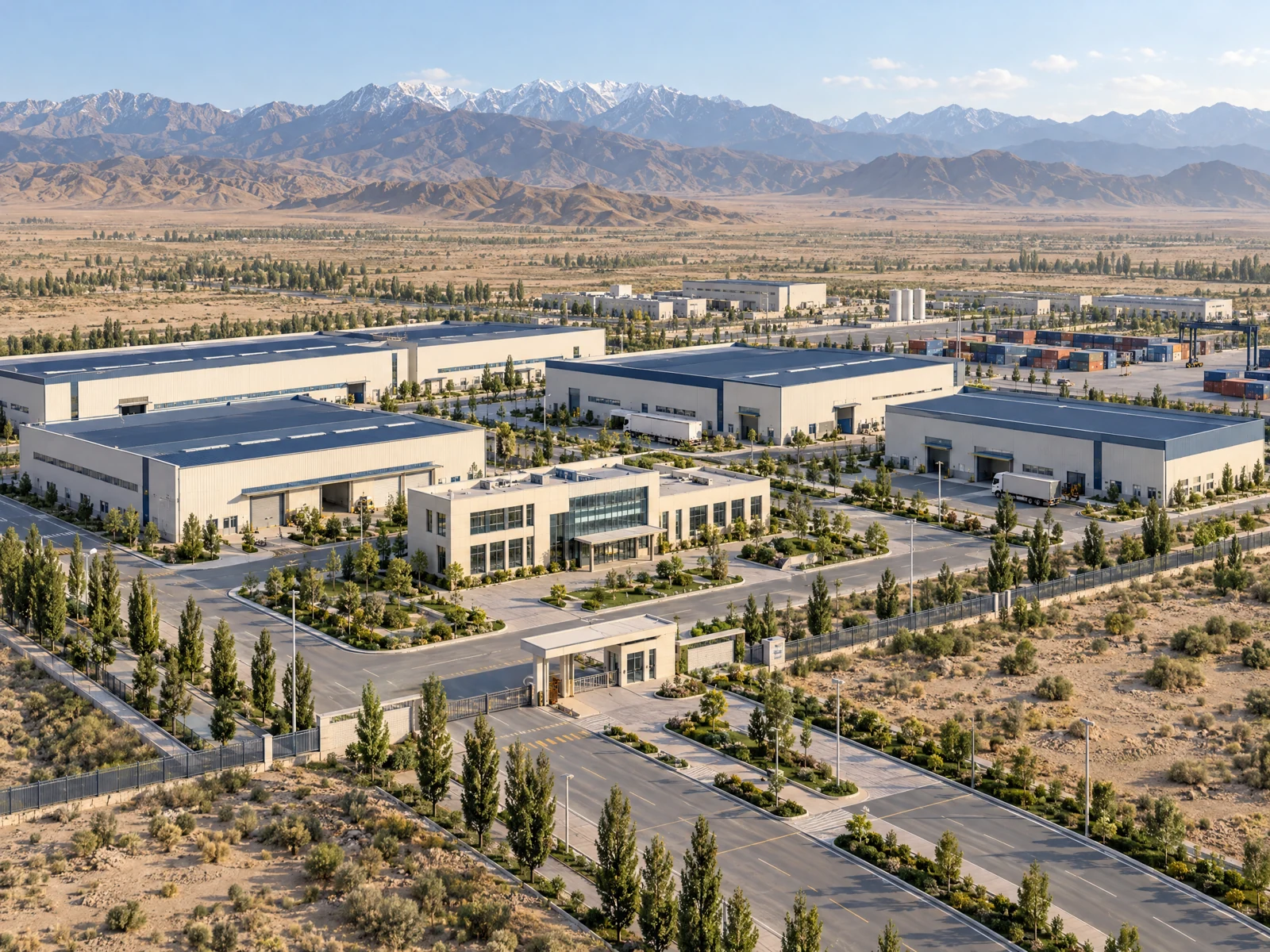
Medium- and long-distance container transport scenarios
Container flow handover and operational interfaces
Terminal-related short-haul and dedicated transport solutions
Consolidation, distribution, processing, and industrial services
Organization of onward road transport
Mainline rail carries medium- and long-distance freight, while AGV links terminal feeder services with short-haul transport at the border. Warehouses and industrial parks handle cargo distribution and provide industrial services. Cross-border operations comply with the respective customs requirements of China and Kazakhstan.
Public railway background:Official Tacheng Materials · Official Website of the Prime Minister of Kazakhstan
Project development and cross-border business comply with the respective applicable laws and customs requirements of China and Kazakhstan.